MAGDA BIERNAT
The Brutal
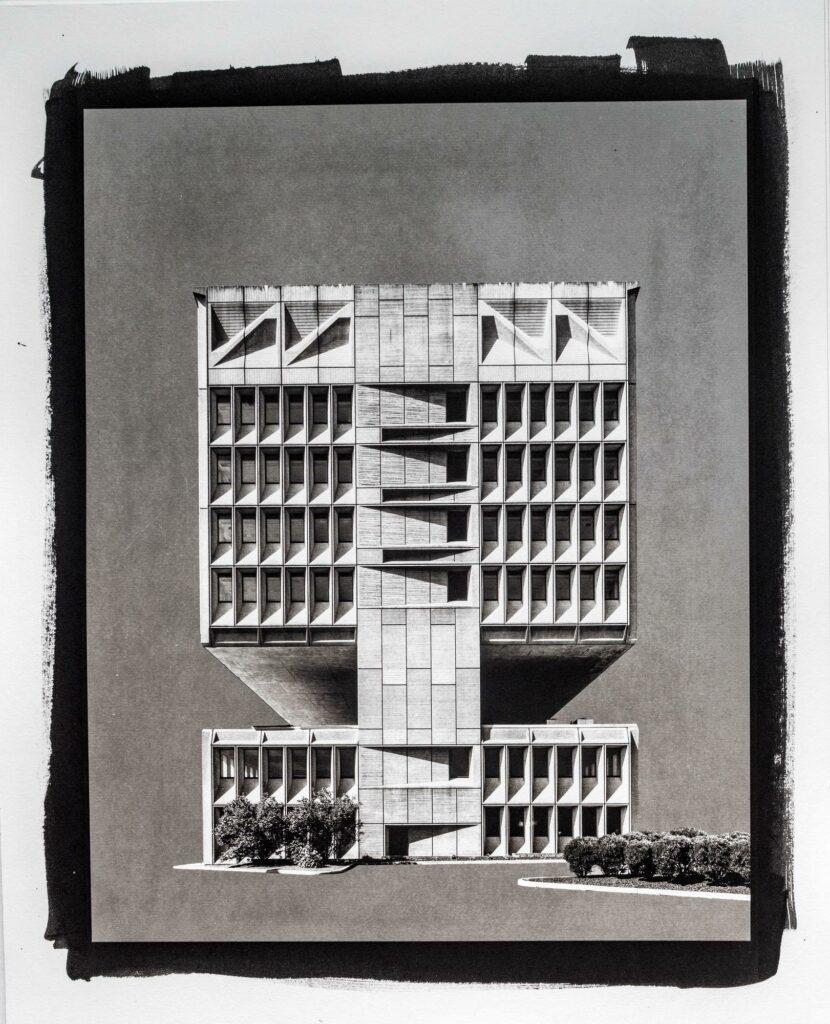
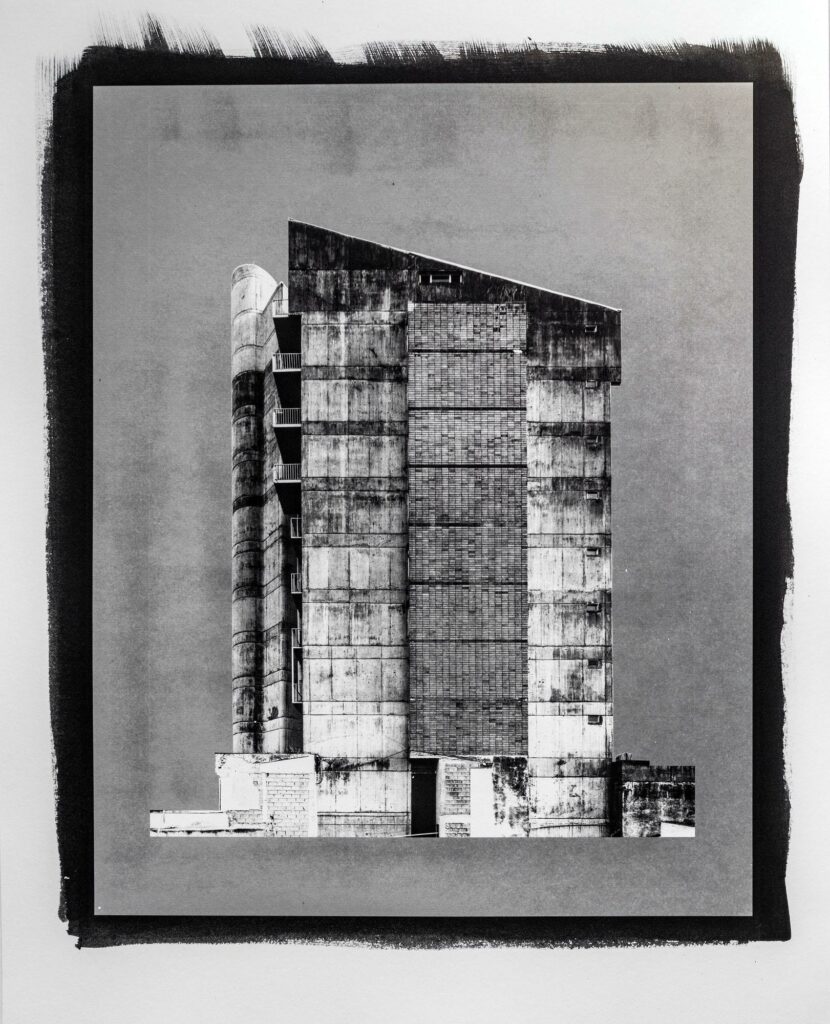
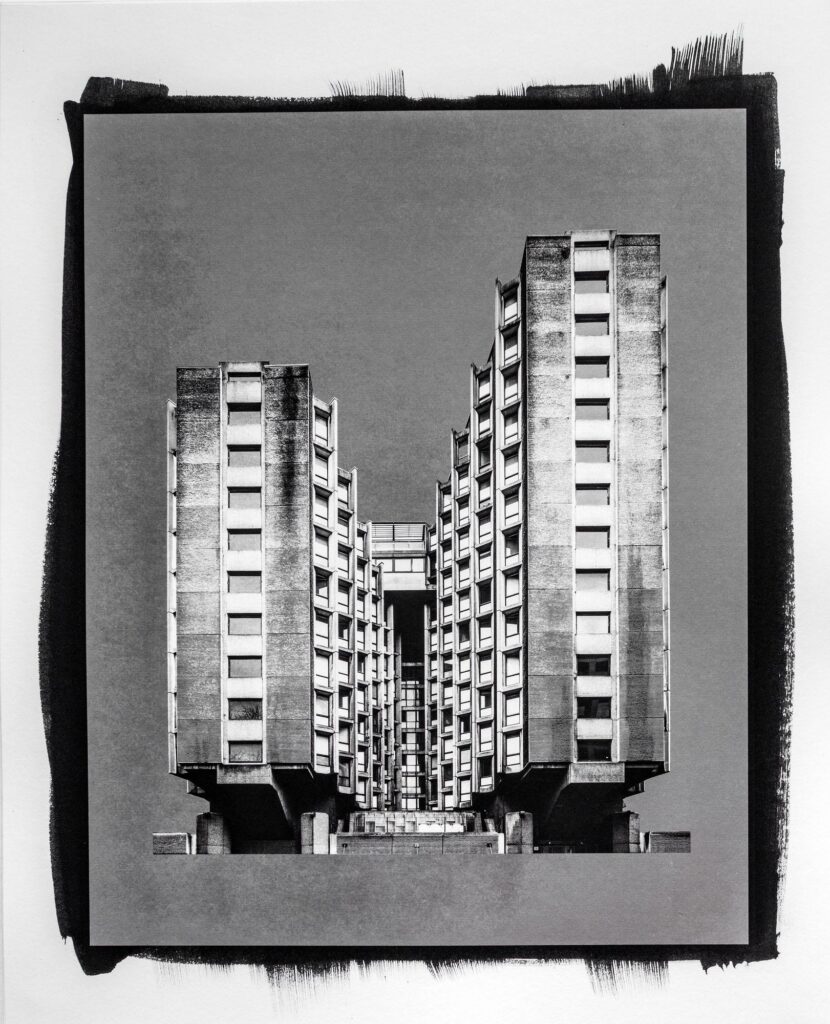
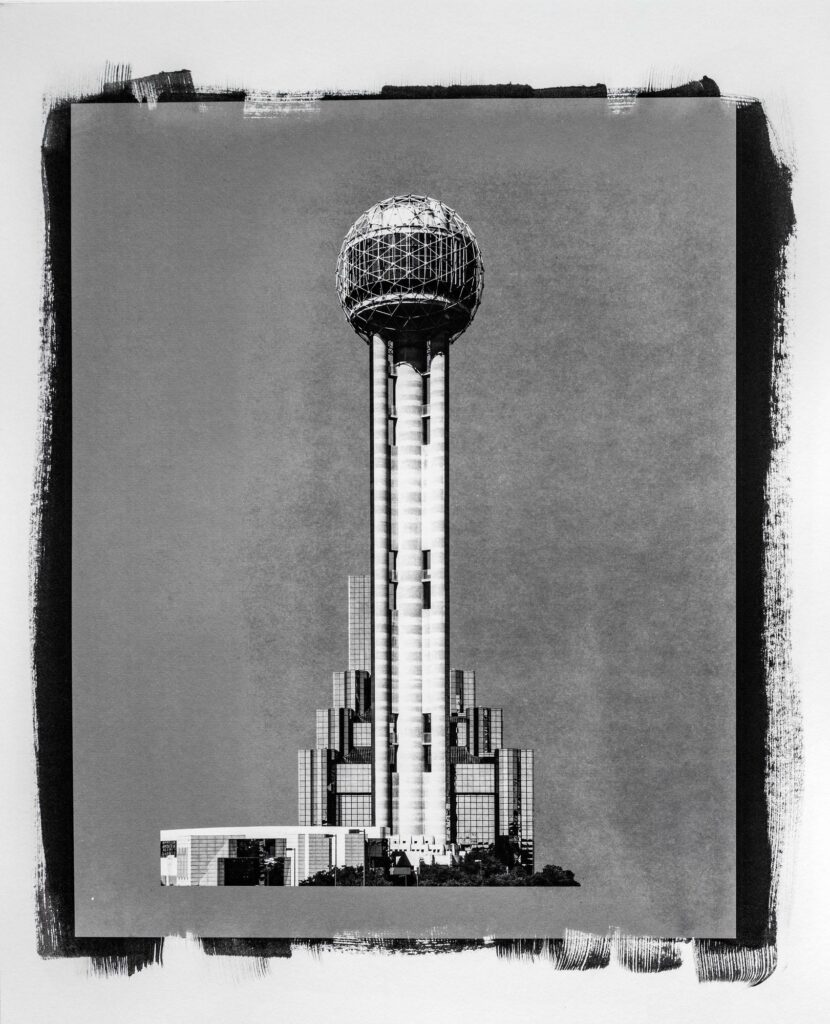
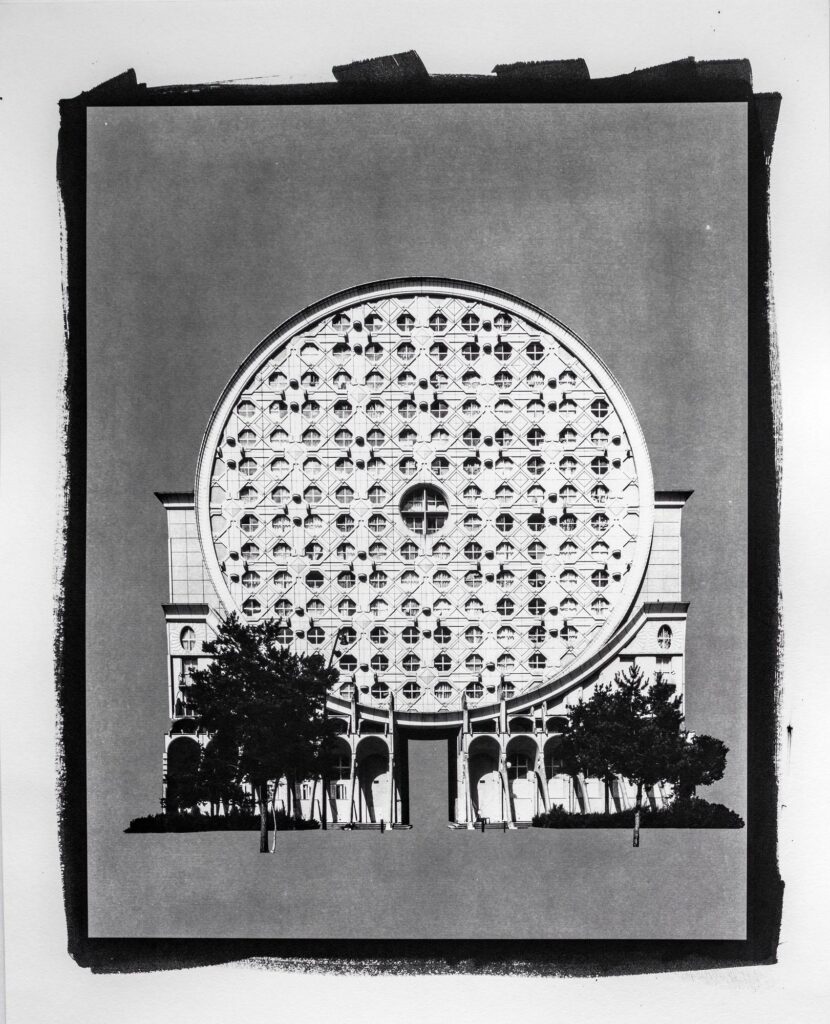
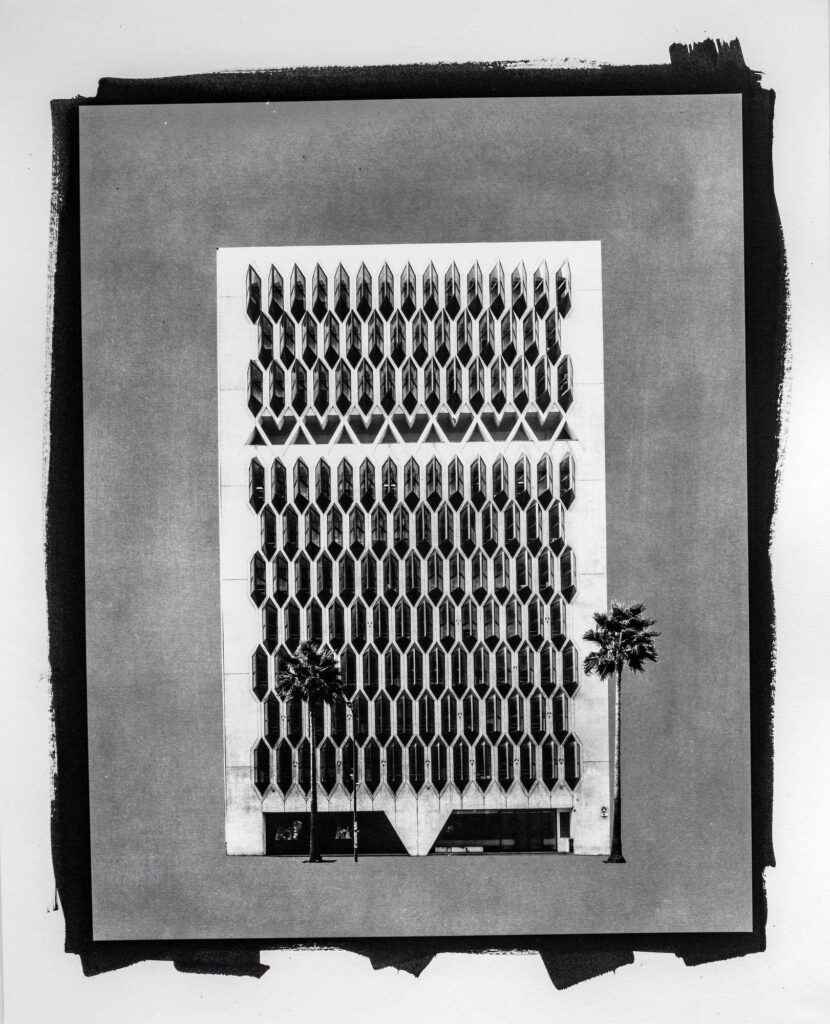
The Brutal by Magda Biernat examines modernist and brutalist architecture as a visual legacy of the Cold War and the postwar socialist state. Returning to the concrete housing estates, civic monuments, schools, and train stations that shaped her childhood in 1980s Poland, Biernat approaches these structures not only as ideological remnants, but as evolving forms marked by time, use, and human presence.
Through a restrained photographic language, she isolates the buildings from the visual noise of the contemporary city, revealing their sculptural qualities, material surfaces, and contradictions. Cracks, stains, repairs, and fading textures expose a more intimate dimension of concrete architecture — one shaped by memory, vulnerability, and historical transformation.
The works are presented as platinum palladium prints, chosen for their tonal depth, tactile subtlety, and permanence. Embedded into the fibers of the paper, the prints echo the material presence and endurance of the buildings themselves.
Magda Biernat is a Polish-born, New York City-based contemporary art photographer specializing in architecture. Her work explores concepts of home, belonging, borders, cultural identity, and in-betweenness. She holds an MA in Marketing and Management from Adam Mickiewicz University in Poznań and an MFA in New Media from Transart Institute in Berlin and New York. She is a former photo editor of Metropolis Magazine.
Her work is represented by famous Robert Klein Gallery in Boston and Clic Gallery in New York City, and has been exhibited internationally across Europe, Asia, and North America. She is a recipient of numerous awards, including the CENTER Director’s Choice Award, LensCulture Emerging Talent Award, TMC/Kodak Grant, Lucie Foundation Awards, Magenta Foundation Flash Forward, Reminders Photography Stronghold Grant, and the Film Photo Award.
MAGDA HUECKEL
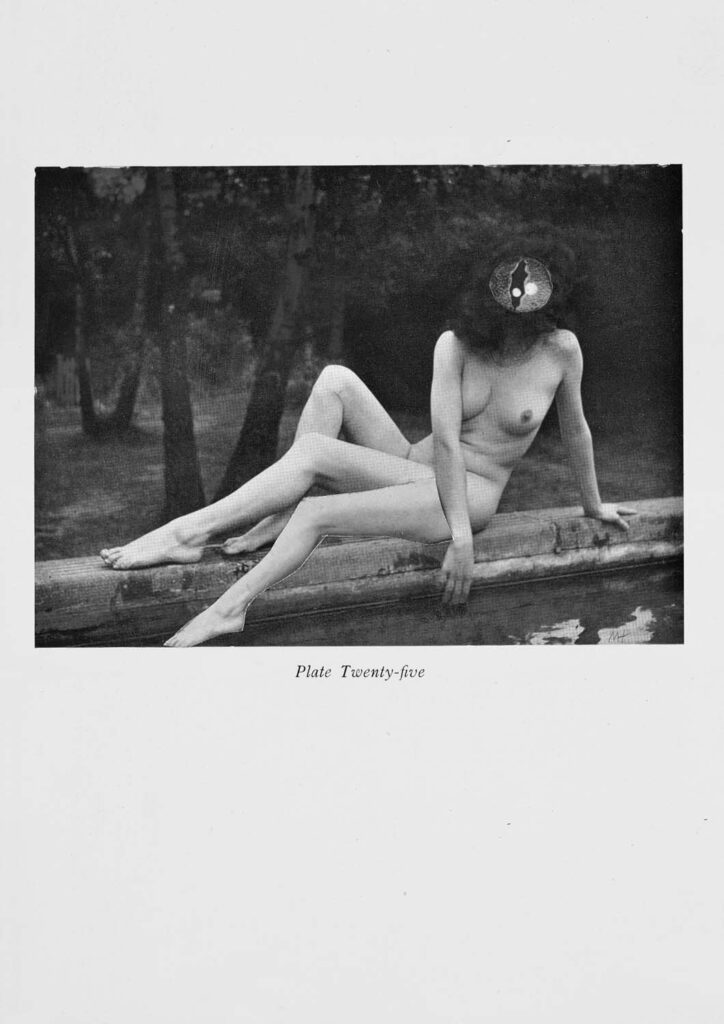
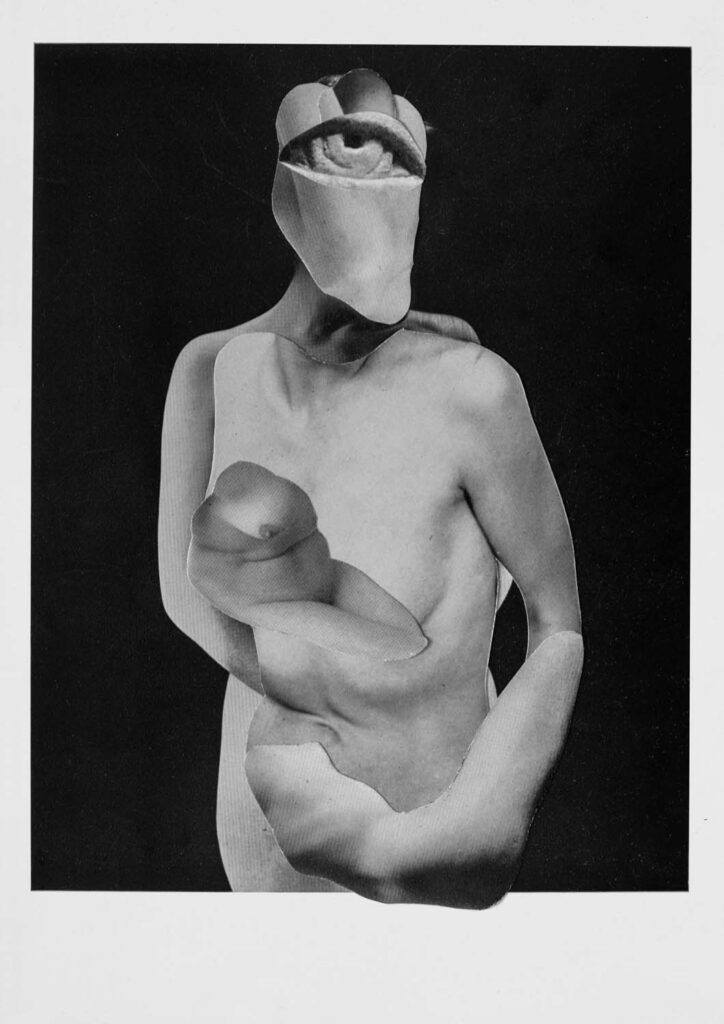
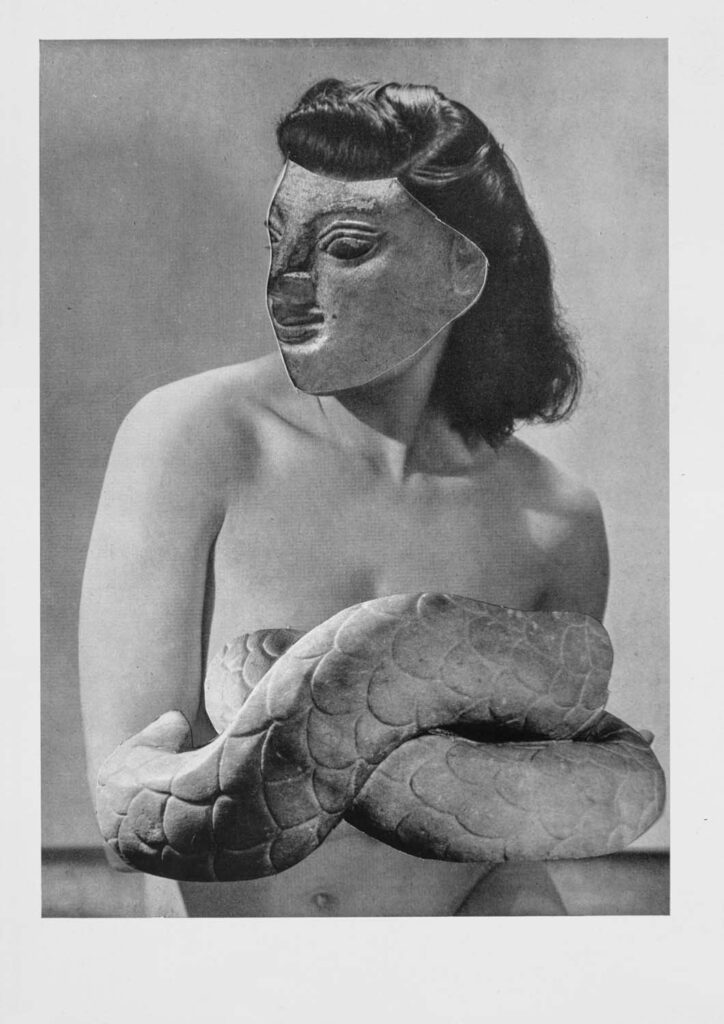
Nudes / How NOT to photograph women
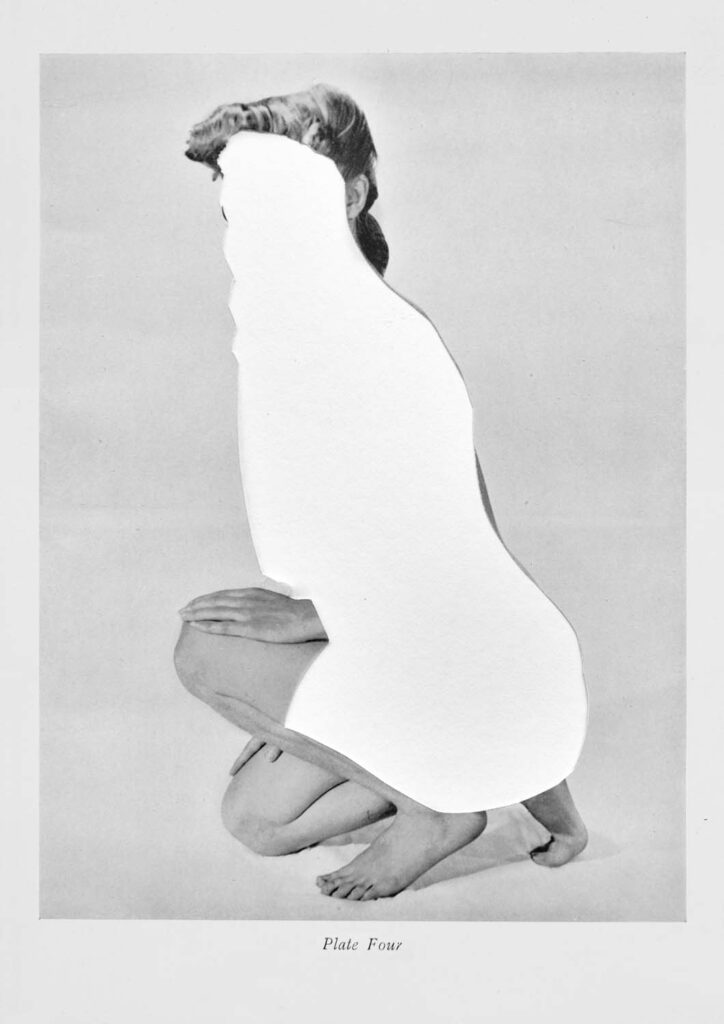
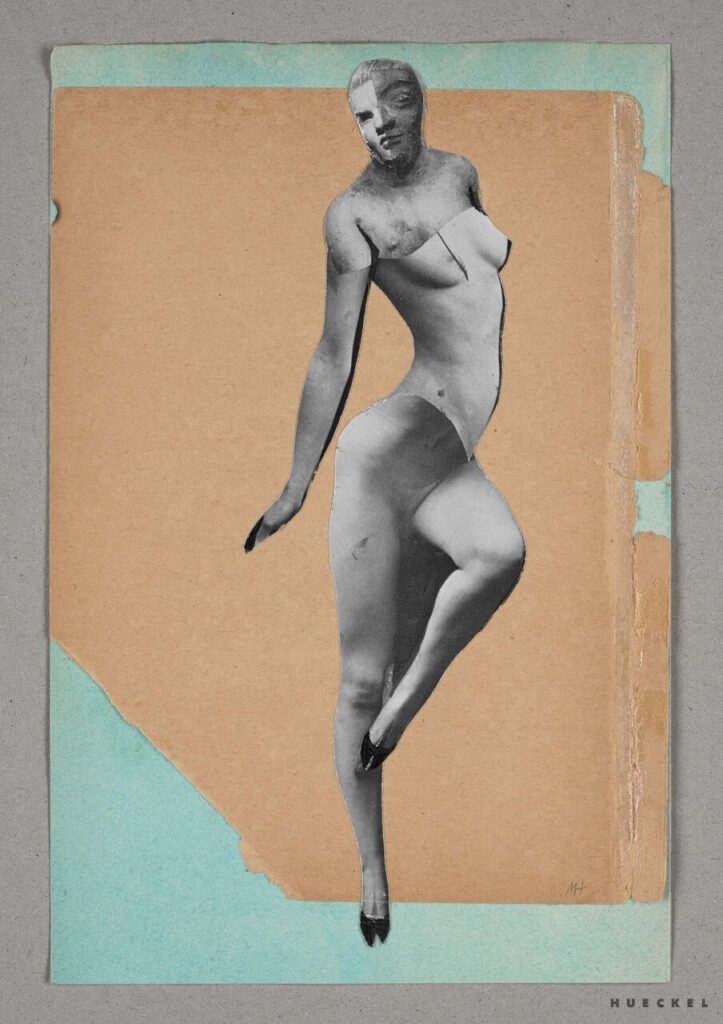
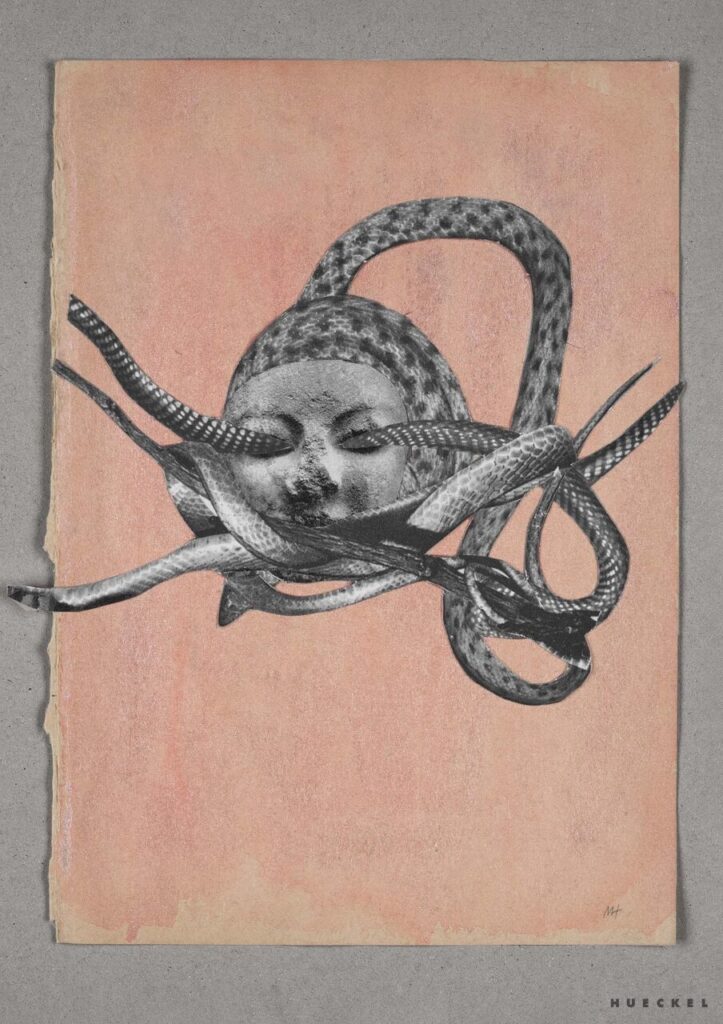
The upcycled and hand-made photo collages represent a deliberate blurring of traditional boundaries between gender and species, replaced by a celebration of freedom, power, and a quest to uncover the repressed, devalued, and forbidden. These works reject conventional norms of representation, particularly those shaped by patriarchal and fetishistic perspectives in the visual arts.
This series of handmade collages was created from upcycled materials, including old books and discarded papers. The use of found matter reflects the artist’s critique of overproduction, waste, and the overexploitation of resources, situating the work within a broader discourse on sustainable artistic practice.
Developed during a four-month stay in Salvador, Bahia, the series is rooted in the artist’s research into Afro-Brazilian spiritual traditions, particularly Candomblé. Regular participation in ceremonies and a close relationship with one of the terreiros deeply informed both the work and the artist’s personal experience.
Combining collage with painting and drawing, the series consists of 45 handmade works, measuring approximately 26 × 17 cm and 27.5 × 19.2 cm.
Magda Hueckel is a visual artist, researcher, filmmaker, and theatre photographer. Her works have been presented in over 100 solo and group exhibitions in Poland and abroad, including at Tate Britain in London, Circulation in Paris, Unseen Amsterdam, Vienna Art Fair, and the Center for Contemporary Art in Berlin. Her works are held in the collections of the National Museum in Wrocław, the Września Collection, and numerous private collections. She collaborates with Tomasz Śliwiński on films as co-director, screenwriter, and art director. Their documentary Our Curse was nominated for an Academy Award (Oscar) and received dozens of awards at international festivals. She co-wrote the scripts for the short films Ondine, Study of Chaos, and co-directed the full-length documentaries Stary (2023) and Kompleta (2025).
Her artistic practice combines photography, collage, film, theatre, and research, with a particular focus on representation, memory, spirituality, and the female body. Hueckel is a graduate of the Academy of Fine Arts in Gdańsk and is currently a doctoral candidate at the Commission of National Education University in Kraków.
ANNA KĘDZIORA
The Cabinet
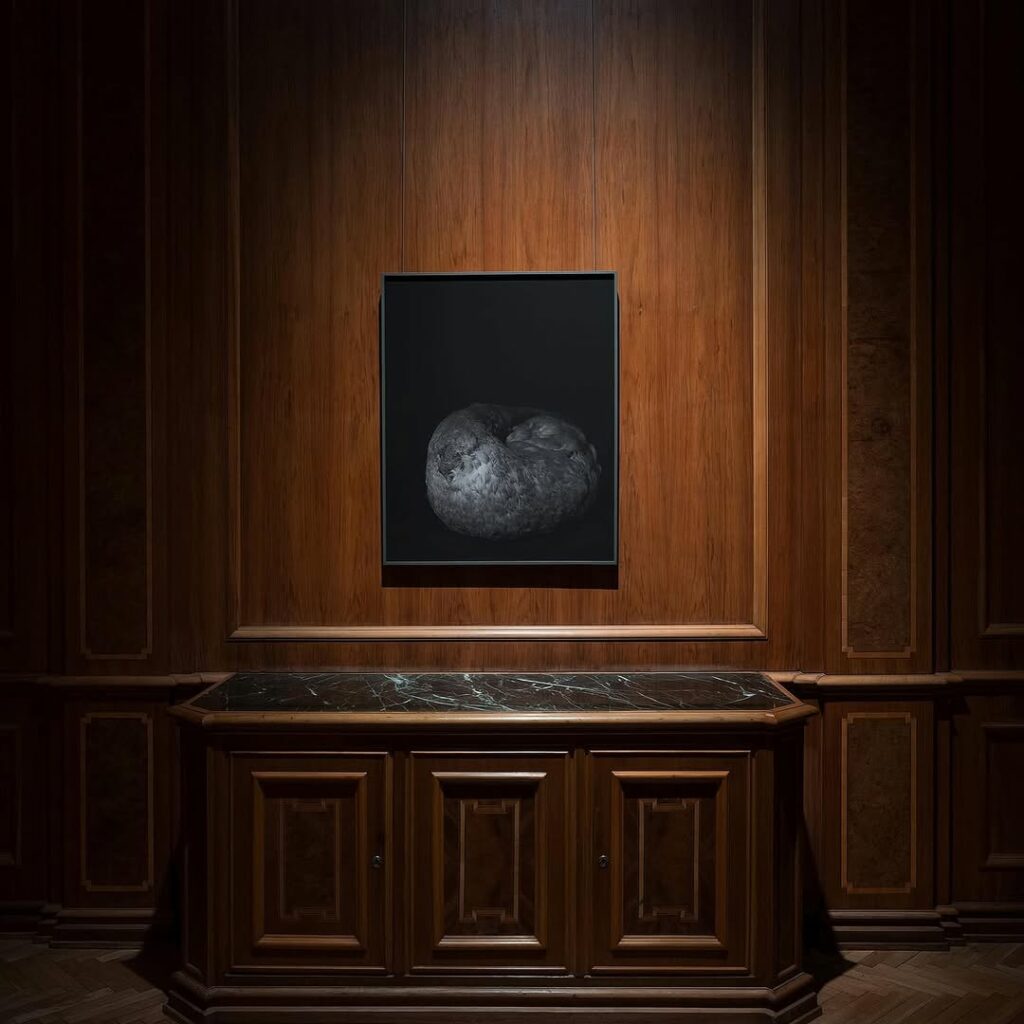
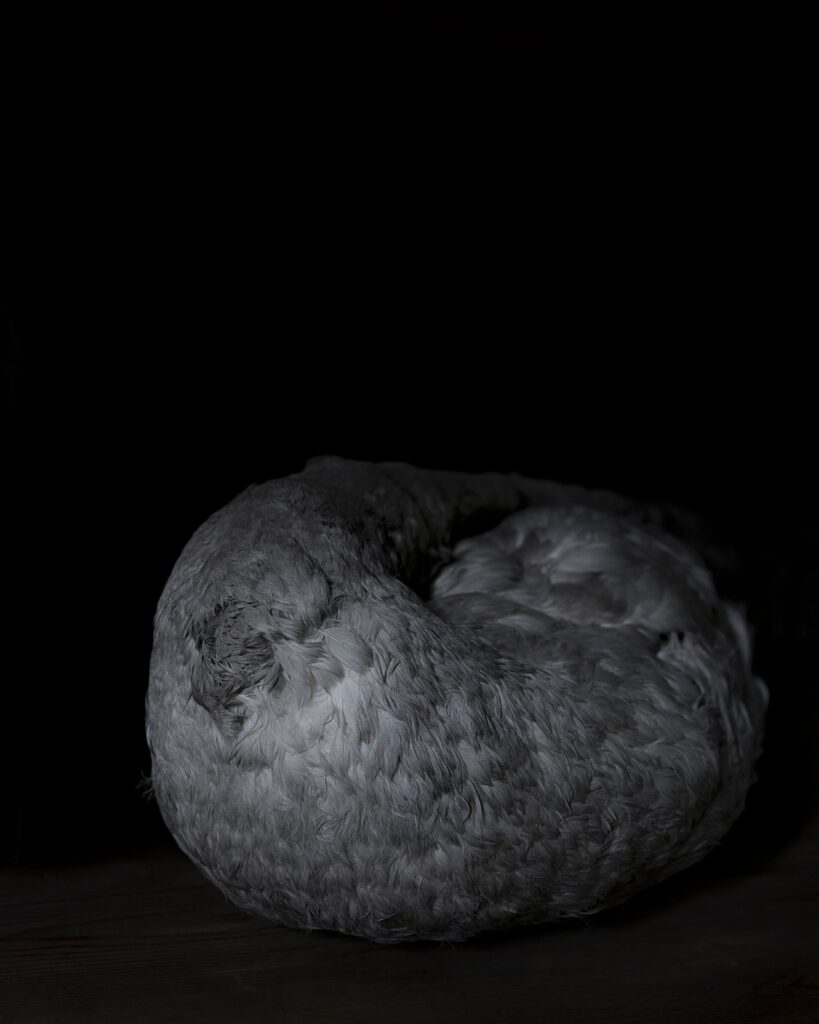
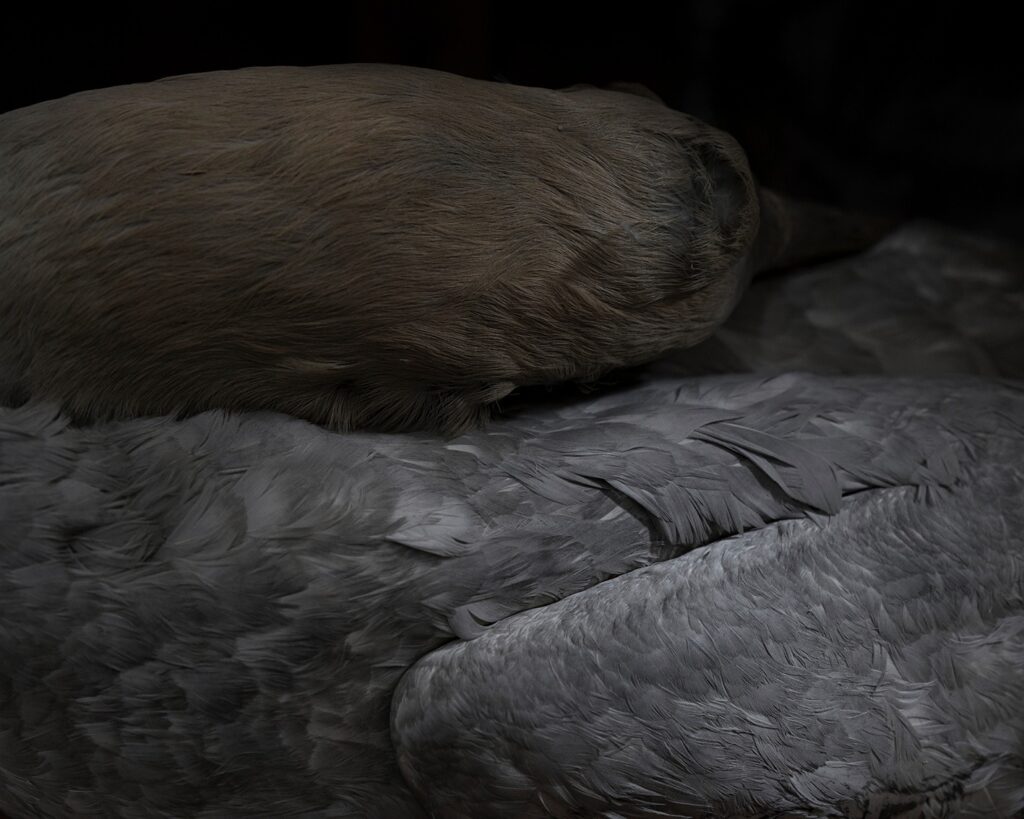
The work is based on Kędziora’s visual research at the Natural History Museum of the University of Wrocław, focusing primarily on the historical part of the collection belonging to pre-war German holdings.
The work confronts the viewer with presence, beauty, and the subtle fractures within an apparent integrity. Taxidermy imposes an irreversible filter on these bodies, making aestheticization almost unavoidable. While a living bird may symbolize power or freedom, a dead one often functions culturally as an omen. Thus, the accumulation of bodies, however visually refined, remains an accumulation of the dead — a sign that may point toward impending catastrophe. The work also becomes a warning against what human greed and possession can turn into in relation to the natural world.
Anna Kędziora is a visual artist and Assistant Professor at the Faculty of Photography, Magdalena Abakanowicz University of the Arts in Poznań. Her practice explores landscape as a process and a network of relations between humans, non-human beings, matter, and place, examined through historical, social, and ecological contexts. Working primarily with photography and photographic thinking, she investigates human traces embedded in natural environments, material histories, and institutional systems of knowledge production. Her recent work focuses on museum specimens and their biological, political, and colonial entanglements.
Her practice combines field research, studio work, and archival inquiry, often incorporating ceramics and glass alongside photography. She has participated in residencies in Spain, Thailand, and France, and has presented her work internationally across Europe and Asia.